
Labiaplasty Topics
Labiaplasty in Beverly Hills
Labiaplasty is a surgical procedure designed to reduce or reshape the labia minora to improve comfort, symmetry, and appearance. Women may seek labia reduction due to physical discomfort during exercise or intimacy, irritation from clothing, or concerns about excess or uneven tissue.
Dr. Robert Cohen, a board-certified plastic surgeon in Beverly Hills, performs customized labiaplasty procedures using advanced techniques to preserve natural contour and sensation. Whether concerns are functional or aesthetic, treatment is tailored to each patient’s anatomy to achieve balanced, natural-looking results.
What Is Labiaplasty?
Labiaplasty is a surgical procedure that reduces or reshapes the labia minora, the inner folds of tissue surrounding the vaginal opening. The goal of labia reduction is to improve comfort, symmetry, and contour while preserving natural sensation and function.
Women seek labiaplasty in Beverly Hills for both functional and aesthetic reasons. Elongated or enlarged labia, sometimes referred to as labial hypertrophy, can cause irritation during exercise, discomfort in tight clothing, or self-consciousness about appearance. The procedure removes excess tissue and refines the labial contour to create a more balanced, proportionate result.
Dr. Robert Cohen performs labiaplasty using advanced surgical techniques designed to maintain natural anatomy and discreet scarring. Each procedure is customized based on individual anatomy and concerns to achieve precise, natural-looking results.

Why Do the Labia Become Enlarged or Asymmetrical?
Labial size and symmetry vary naturally, but several factors can contribute to elongation or prominence of the labia minora over time.
Genetics
Some women are naturally born with larger or uneven labia. This is normal anatomy but may cause physical discomfort or aesthetic concerns.
Puberty and Hormones
Hormonal changes during puberty can stimulate labial growth. In some cases, tissue continues to enlarge or becomes asymmetrical.
Pregnancy and Childbirth
Increased blood volume, pelvic pressure, and tissue stretching during pregnancy may enlarge the labia. Vaginal delivery can further stretch the tissue, and it does not always fully retract afterward.
Aging
Declining collagen and reduced elasticity can lead to lengthening or sagging of the labial tissue over time.
Friction and Activity
Cycling, exercise, tight clothing, and chronic friction may contribute to gradual tissue stretching.
Weight Fluctuations
Changes in body weight can alter tissue support and overall contour in the genital area.
Understanding the cause of enlargement helps determine whether labiaplasty in Beverly Hills is appropriate. Dr. Robert Cohen customizes each procedure to improve comfort and contour while preserving natural anatomy.
Signs You May Be a Candidate for Labiaplasty
You may be a candidate for labiaplasty if enlarged, elongated, or asymmetrical labia cause physical discomfort or aesthetic concerns. While natural variation is common, persistent symptoms may indicate that labia reduction can improve daily comfort and confidence.
Women seeking labiaplasty in Beverly Hills often report:
- Irritation or discomfort during exercise, cycling, or yoga
- Pain, pulling, or twisting during intimacy
- Visible bulging in tight clothing or swimwear
- Chronic chafing or recurrent vulvar irritation
- Noticeable asymmetry between the labia minora
- Elongation following pregnancy, hormonal changes, or aging
In some cases, these symptoms are associated with labial hypertrophy, a term used to describe enlarged labia minora that extend beyond the outer labial tissue. When conservative measures such as clothing adjustments no longer provide relief, surgical correction may be appropriate.
During your private consultation, Dr. Robert Cohen will assess your anatomy, review your medical history, and determine whether labiaplasty in Beverly Hills is the right solution based on your functional concerns and aesthetic goals.

Trim vs. Wedge Labiaplasty Techniques
Labiaplasty is typically performed using either the trim method or the wedge technique. The choice of technique affects contour, scar placement, and preservation of sensation.
Trim Technique
Removes excess tissue along the outer edge of the labia. While effective for size reduction, it may alter the natural border and pigmentation.
Wedge Technique
Removes a small V-shaped section of tissue from the central labia while preserving the natural outer edge. This approach maintains natural contour and pigmentation and reduces tension along the incision.
Dr. Cohen commonly performs a refined wedge technique for labia reduction in Beverly Hills. This method allows for precise contouring, discreet scarring, and preservation of sensation. During consultation, he determines the most appropriate approach based on anatomy and goals.
Dr. Cohen’s Approach to Labia Reduction
Dr. Robert Cohen performs labiaplasty using a refined wedge technique designed to preserve natural anatomy and sensation. Instead of trimming along the outer edge of the labia, this method removes a small, carefully measured section of excess tissue from the center of the labia minora while maintaining the natural border.
This approach allows for:
- Preservation of natural contour and pigmentation
- Discreet scarring
- Reduced tension on the incision
- Protection of sensitivity
Because the wedge technique requires precise surgical planning, experience is essential. Dr. Cohen customizes each labiaplasty in Beverly Hills based on your anatomy and aesthetic goals to achieve balanced, natural-looking results.
The procedure is typically performed under local anesthesia with sedation for comfort. General anesthesia is also available and administered by a board-certified anesthesiologist if preferred.
How Pregnancy and Childbirth Can Change the Labia
Pregnancy and vaginal delivery can alter the size and shape of the labia. Hormonal changes increase blood flow and tissue elasticity, while pelvic pressure during pregnancy and childbirth may stretch the labial tissue.
After delivery, some women notice that their labia do not fully return to their pre-pregnancy size. This can result in elongated or sagging labia after pregnancy, asymmetry, or excess tissue that causes irritation during exercise or intimacy.
When stretched tissue does not retract, labiaplasty in Beverly Hills can reduce excess labial tissue and restore balanced contour. For patients considering post-pregnancy rejuvenation, labia reduction may also be combined with procedures commonly included in a mommy makeover.
During consultation, Dr. Robert Cohen evaluates post-pregnancy changes and recommends a personalized treatment plan based on anatomy and goals.
Benefits of Beverly Hills Labia Reduction
Labia reduction, also known as labiaplasty, can improve both physical comfort and aesthetic balance. For many women, the procedure addresses functional concerns while also enhancing confidence.
Potential benefits include:
- Improved symmetry and contour of the labia minora
- Reduced irritation during exercise, cycling, or daily activities
- Greater comfort in fitted clothing and swimwear
- Relief from chronic chafing or pulling
- Improved hygiene due to reduced excess tissue
- Increased comfort during intimacy
- Enhanced confidence in personal and intimate settings
For patients experiencing labial hypertrophy or asymmetry, labiaplasty in Beverly Hills can provide long-term improvement in both comfort and appearance. During consultation, Dr. Robert Cohen will discuss realistic outcomes based on your anatomy and goals.
Labiaplasty Recovery Timeline
Recovery after labiaplasty in Beverly Hills is typically straightforward, though mild swelling and bruising are expected during the early healing phase.
First 48 Hours
Swelling and tenderness are most noticeable during the first two days. Ice packs and rest are recommended. Keeping the area clean and dry supports proper healing.Days 3–7
Most patients can return to light activities or sedentary work within three to five days. Mild swelling may persist. Wearing loose clothing helps reduce irritation.Weeks 2–4
Swelling gradually improves. Exercise should be limited during the first two weeks, and strenuous activity should be avoided until cleared by Dr. Cohen.After 6 Weeks
Tampons, cycling, horseback riding, and sexual activity are typically resumed after six weeks, once tissues are fully healed.To minimize discomfort during urination in the early recovery period, gently pouring warm water over the area may be helpful.
Incisions are placed to heal discreetly, and scars typically fade significantly over time.
Dr. Robert Cohen provides detailed post-operative instructions and closely monitors recovery to ensure optimal healing and long-term results.
Labiaplasty Cost in Beverly Hills
The cost of labiaplasty in Beverly Hills typically ranges from $2,000 to $6,000, depending on the complexity of the procedure and your individual anatomy.
Several factors influence the final price, including:
- Degree of labial hypertrophy or asymmetry
- Surgical technique used (trim vs. wedge)
- Anesthesia type (local with sedation or general anesthesia)
- Whether the procedure is combined with monsplasty or other treatments
Because every patient’s anatomy and goals are unique, an exact quote is provided during your private consultation with Dr. Robert Cohen.
While cost is an important consideration, selecting a board-certified plastic surgeon with experience in aesthetic genital surgery is essential to ensure safety, proper healing, and natural-looking results.
Before & After Photos
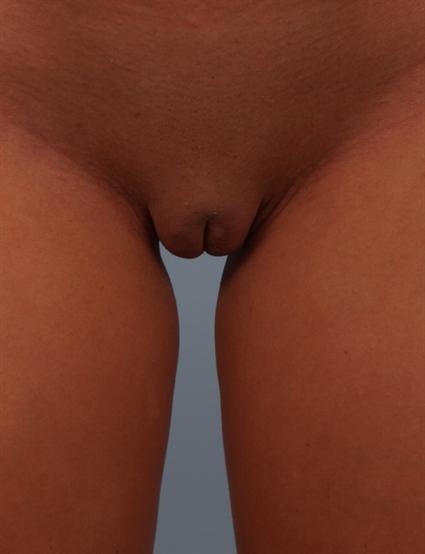
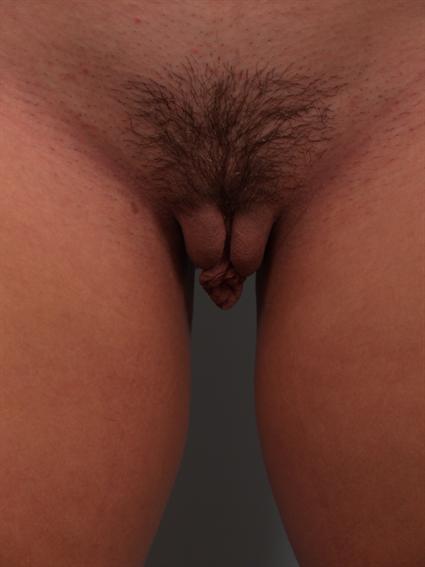
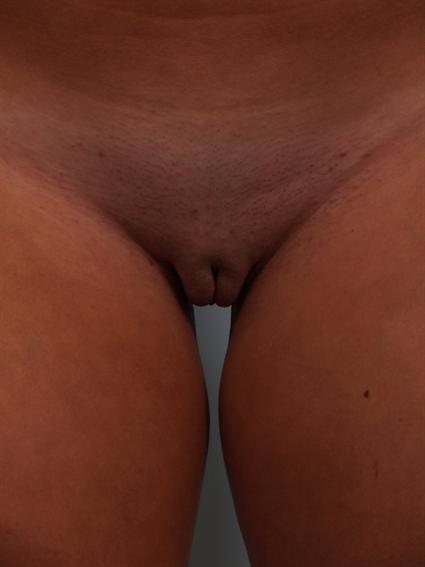
ExploreLabia Reduction Before & After Photos
WARNING:
This feature contains nudity. Please click OK to confirm you are at least 18 years of age and are not offended by this material.
OK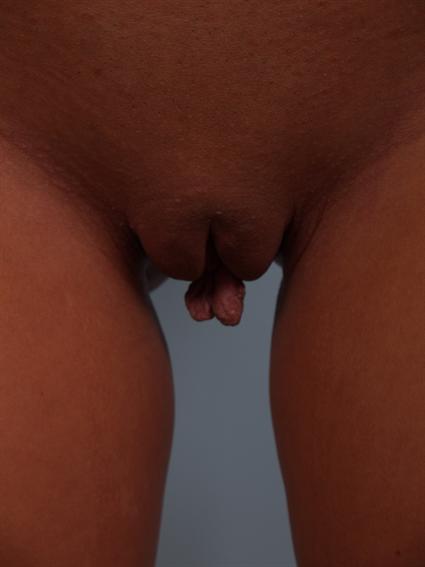
About this patient
This is a patient in her early 20's from the midwest who flew in to my practice with complaints of excess skin of the labia minora. This patient was extremely self-consious and embarrassed about the appearance of her genitalia to the point that it affected her dating and sexual life. She wished...
About this patient
This is a 21 year old female who presented to my practice with concerns regarding her labia minora (inner vaginal lips). Specifically, this patient had redundant tissue of the inner labia which became irritated when she wore tight pants. She was also self-conscious regarding the appearance of her...
Why Choose Dr. Robert Cohen for Labiaplasty in Beverly Hills?
Dr. Robert Cohen is a board-certified plastic surgeon serving Beverly Hills and the greater Los Angeles area. He performs labiaplasty using refined surgical techniques designed to preserve natural contour, pigmentation, and sensation while achieving balanced, discreet results.
Genital aesthetic surgery requires precision, anatomical understanding, and meticulous tissue handling. Dr. Cohen customizes each labia reduction procedure based on individual anatomy, degree of labial hypertrophy, and functional concerns to ensure both comfort and aesthetic harmony.
Procedures are performed in a private, accredited surgical setting with patient safety as the highest priority. From consultation through recovery, patients receive individualized guidance and attentive follow-up care.
For women seeking labiaplasty in Beverly Hills, Dr. Cohen combines surgical expertise with a discreet, professional approach focused on natural-looking outcomes.

Labiaplasty Reduction FAQs
How do I know if my labia are considered enlarged?
There is no single standard for normal labial size, as anatomy varies widely. Labial hypertrophy generally refers to labia minora that extend beyond the outer labia and cause discomfort, irritation, or aesthetic concerns. A consultation with Dr. Robert Cohen can determine whether labia reduction is appropriate based on your symptoms and goals.
Will labiaplasty change the natural appearance of my labia?
The goal of labiaplasty is to reduce excess tissue while preserving natural contour and pigmentation. Techniques such as the wedge method maintain the natural border of the labia to avoid an overcorrected appearance.
Can labiaplasty be combined with other procedures?
Yes. Labiaplasty in Beverly Hills is often combined with monsplasty or procedures included in a mommy makeover. Combining treatments may provide more balanced genital rejuvenation when both excess labial tissue and mons fullness are present.
How soon after pregnancy can I have labiaplasty?
It is generally recommended to wait several months after childbirth before considering labiaplasty. This allows hormone levels to stabilize and tissues to settle. Dr. Robert Cohen will evaluate whether post-pregnancy changes are stable before recommending surgery.
Will insurance cover labiaplasty?
Labiaplasty is typically considered an elective cosmetic procedure and is not covered by insurance. In cases where functional symptoms are significant, coverage may vary. Our office can discuss payment options during your consultation.
Are the results of labiaplasty permanent?
Excess labial tissue removed during surgery does not grow back. While natural aging continues, results are long-lasting when performed with proper surgical technique.
At what age can someone have labiaplasty?
Labiaplasty is typically performed on adult women once development is complete. Candidates should be in good health and fully understand the procedure and recovery process before proceeding.